
Trends in the Highly Regulated Dutch Online Gambling Market
The Dutch online gambling market has undergone significant transformation since the legalization of online gambling in October 2021 under the Remote Gambling Act (Kansspel op Afstand, or Koa). While this regulation has brought a more structured framework to the market, the industry continues to evolve, shaped by stringent government policies, innovative technological advancements, and consumer behavior.
One of the most intriguing trends in the market is the surge in searches for unregulated options, such as “casinos zonder Cruks” (casinos without Cruks). This growing interest highlights a dual narrative in the Dutch online gambling space: the appeal of regulated, safe gambling environments and the persistent demand for unregulated alternatives.
Increased Demand for Unregulated Casinos
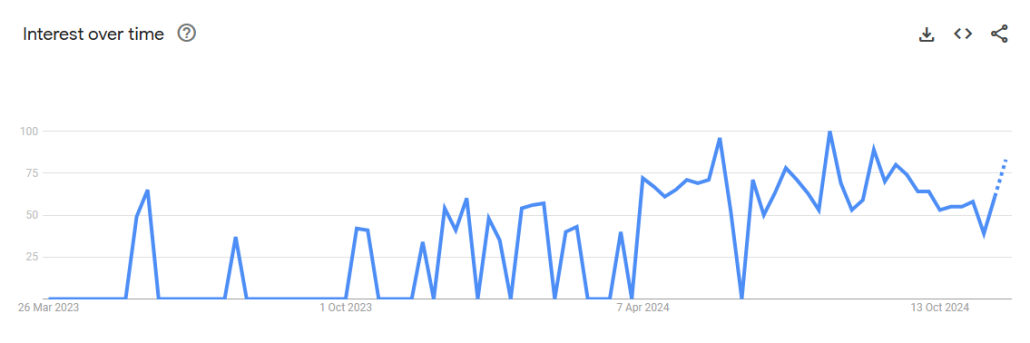
The Centraal Register Uitsluiting Kansspelen (Cruks), or Central Exclusion Register, is a key pillar of the Dutch government’s commitment to responsible gambling. It allows individuals to self-exclude from gambling platforms to prevent problematic behavior. However, searches for terms like “casinos zonder Cruks” have risen steadily in the past year, signaling that a segment of players is actively seeking ways to bypass these restrictions.
This trend is likely driven by several factors:
- Desire for Fewer Restrictions: While Cruks aims to protect vulnerable players, some consumers view it as overly restrictive. Unregulated casinos often lack such exclusionary measures, attracting players who want uninterrupted access.
- Broader Game and Bonus Selection: Licensed operators must comply with strict advertising and bonus restrictions under the Koa Act. Unlicensed casinos, on the other hand, frequently offer enticing promotions and a wider variety of games.
- Privacy Concerns: Many players are wary of the data-sharing practices involved in Cruks registration and prefer the anonymity offered by unregulated platforms.
- Higher Risks Tolerated: Some players are willing to take on the risks associated with unlicensed gambling sites—such as lack of consumer protection—in exchange for greater flexibility and perceived rewards.
Source: https://gokkastengids.com/online-casinos/zonder-cruks/
A Booming Regulated Market
Despite this parallel interest in unregulated casinos, the regulated Dutch online gambling market continues to grow. By the end of 2023, the Netherlands Gambling Authority (Kansspelautoriteit, or KSA) reported that over 20 operators held licenses to operate legally in the country. Regulated platforms emphasize:
- Responsible Gambling: Tools like Cruks, spending limits, and mandatory identification ensure player safety and compliance with national standards.
- Tax Revenue: The government benefits significantly from the regulated sector, which contributes to public funds and social programs.
- Innovation: Regulated operators invest heavily in user-friendly platforms, mobile gaming, and live casino experiences to compete for player attention.
The Role of SEO and Digital Marketing in Gambling Trends
The surge in searches for “casinos zonder Cruks” also reflects the changing dynamics of consumer behavior online. Players increasingly rely on digital platforms to find gaming options that suit their needs. Keywords related to unregulated gambling have gained traction in search engine optimization (SEO) strategies, particularly among offshore operators targeting Dutch players.
Source: Google trends
This poses challenges for regulators, as it becomes harder to monitor and curtail the operations of unlicensed platforms. Search engines and advertising platforms play a critical role in enabling—or restricting—access to these sites.
Future Trends in the Dutch Gambling Market
Looking ahead, the Dutch online gambling market is likely to be influenced by the following trends:
- Stronger Enforcement Against Unlicensed Operators: The KSA has already intensified efforts to block and fine unregulated casinos. Stricter measures are expected in the future.
- Technological Advancements in Player Protection: Regulated operators may adopt AI-driven tools to better identify at-risk players and ensure compliance with responsible gambling measures.
- Shifts in Consumer Preferences: As younger, tech-savvy audiences enter the market, mobile-first platforms and gamified experiences will play a crucial role in retaining users.
- Cross-Border Gambling: The rise of VPN usage and payment methods like cryptocurrencies enables Dutch players to access foreign platforms more easily, challenging regulatory efforts.
Source: https://www.statista.com/outlook/amo/online-gambling/netherlands
Balancing Regulation and Consumer Freedom
The Dutch government’s highly regulated approach has succeeded in creating a safer gambling environment, but it has also inadvertently fueled the demand for unregulated options. The rising popularity of “casinos zonder Cruks” underscores the tension between player autonomy and regulatory oversight. To sustain growth and remain competitive, the regulated sector must strike a balance between protecting consumers and offering them the flexibility they desire.
As the industry evolves, a holistic approach—combining robust regulation, innovative player experiences, and public education—will be key to navigating these challenges and ensuring the long-term health of the Dutch online gambling market.
